
National Day for Truth and Reconciliation: Learning that shapes how we care
Monday, Sep 28, 2026On September 30, we remember the children who never returned home from residential schools and honour Survivors, their families and communities. We listen, learn and consider how that learning can shape the way we care for one another.
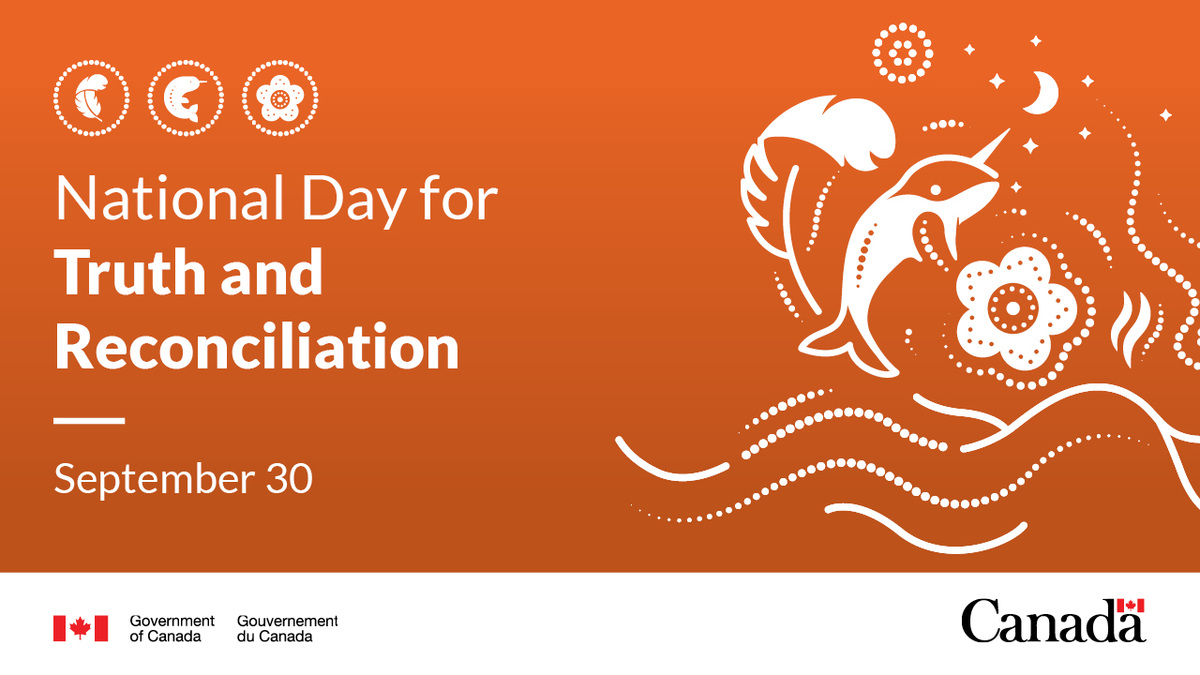
National Day for Truth and Reconciliation is a time to remember the children who never returned home from residential schools, honour Survivors, and recognize the lasting effects of residential schools on their families and communities. It invites us to listen to Indigenous voices, learn about the residential school system and its ongoing impacts, and consider how to carry that learning into action.
September 30 is also Orange Shirt Day, a movement rooted in the experience of Phyllis Webstad. When she arrived at residential school at age six, the new orange shirt her grandmother had bought for her was taken away. Reading Phyllis’s story in her own words helps us understand why Orange Shirt Day began and what the orange shirt represents.
Support is available. Residential school Survivors and their families can call the 24-hour National Indian Residential School Crisis Line at 1-866-925-4419. First Nations, Inuit and Métis people can reach the 24-hour Hope for Wellness Helpline at 1-855-242-3310 or through online chat.
What this means for our work
As a health benefits administrator, Pacific Blue Cross has a role in the experience people have when accessing coverage. We need to keep asking those affected whether our processes help them feel respected, heard and safe—and listen to what they tell us.
We learn from partners such as the First Nations Health Authority (FNHA). FNHA describes cultural safety as an outcome of respectful engagement that works to address power imbalances in health care, so people feel safe and free from racism and discrimination when receiving care. It describes cultural humility as an ongoing process of reflecting on personal and systemic biases, building relationships based on mutual trust, and recognizing that we are learners when it comes to another person’s experience.
Pacific Blue Cross administers dental, vision, medical supplies and equipment, and some pharmacy benefits on behalf of the FNHA. That responsibility calls us to listen to First Nations leadership, respect self-determination and community priorities, and pay attention to where our processes may create barriers for members and providers. We have more to learn.
One example of First Nations-led work is an FNHA-led feasibility study exploring whether virtual pharmacy kiosks in community health centres could improve access to medications and pharmacist support in rural and remote First Nations communities. The First Nations Health Foundation is supporting the study with funding from the Pacific Blue Cross Health Foundation, and participating communities will help shape it. Learn more about the project.
Keep learning
These resources offer places to listen and keep learning:
- Explore learning resources from the Orange Shirt Society.
- Read the Truth and Reconciliation Commission's Calls to Action, including those related to health.
- Learn about cultural safety and humility through the FNHA.
- Take our free Indigenous Awareness learning module, created with the FNHA.
The truths shared by Survivors deserve more than our attention for one day. They ask us to keep listening, follow Indigenous leadership and look honestly at where our own work can change—including assumptions we may need to unlearn. What we do with what we learn matters long after September 30.